




Men's Health Month: The Connections Between Heart Health, Blood Flow & Energy
June is Men’s Health Month, which makes it the perfect time to talk about something men do not always talk about enough: the connection between heart health, blood flow, energy, and sexual function.
These are not separate issues. They are all connected by the same system: your blood vessels.
When your arteries are flexible, open, and healthy, blood moves more easily throughout the body. That means more oxygen and nutrients reach your heart, brain, muscles, and yes, the parts of the body involved in sexual function. When blood flow is compromised, the effects can show up in many ways: fatigue, high blood pressure, shortness of breath, poor exercise tolerance, chest discomfort, or erectile dysfunction.
Heart disease remains the leading cause of death for men in the United States, according to the CDC. The CDC also reports that cardiovascular disease was responsible for 919,032 deaths in 2023, or about 1 in every 3 deaths. (CDC)
The good news? Heart health is not just something to worry about later. It is something you can influence every single day, starting with what is on your plate.
Why Blood Flow Matters for Men’s Health
Your circulatory system is your delivery system. Every beat of your heart sends oxygen-rich blood through a vast network of blood vessels, nourishing your organs, muscles, and tissues.
When that system is working well, you are more likely to feel strong, clear-headed, and energized. When it is not working well, men may notice changes in stamina, blood pressure, exercise capacity, or sexual performance.
One reason this matters so much is that the same process that contributes to heart disease, especially damage to the lining of the blood vessels and plaque buildup in the arteries, can also affect blood flow elsewhere in the body. Mayo Clinic notes that erectile dysfunction can be an early warning sign of heart disease because the same vascular changes that restrict blood flow to the heart can also restrict blood flow to the penis, sometimes earlier. (Mayo Clinic)
Harvard Health describes an erection as a blood-flow event, requiring extra blood to be delivered and held in the penis. If something interferes with that blood flow, erectile function can be affected. (Harvard Health)
That is why erectile dysfunction is not simply a “bedroom issue.” It can be a cardiovascular clue.
Erectile Dysfunction Can Be a “Check Engine Light”
Many men are more willing to talk about fatigue, workouts, or cholesterol than erectile dysfunction. But from a health perspective, ED deserves attention.
Research has repeatedly linked erectile dysfunction with cardiovascular disease risk. A review published in The Journal of Sexual Medicine describes ED, especially in younger men, as a marker of increased cardiovascular disease risk. (PMC) Another review found that ED and cardiovascular disease can be different presentations of the same underlying vascular problem. (PMC)
This does not mean every case of ED is caused by heart disease. Stress, medications, hormones, sleep, diabetes, alcohol, smoking, and mental health can all play a role. But because blood flow is so central to sexual function, ED is worth discussing with a healthcare provider, especially if it is new, worsening, or paired with other risk factors like high blood pressure, high cholesterol, diabetes, smoking history, or family history of heart disease.
At Plant Strong, we like the “check engine light” analogy because it removes shame. Your body is not betraying you. It may be giving you information.
What Does Food Have to Do With Blood Flow?
A lot.
The foods you eat every day influence cholesterol, blood pressure, blood sugar, inflammation, weight, gut health, and vascular function. The American Heart Association’s Life’s Essential 8, its framework for improving and maintaining cardiovascular health, includes eating better, being active, avoiding nicotine, getting healthy sleep, managing weight, and controlling cholesterol, blood sugar, and blood pressure. (www.heart.org)
When it comes to food, the American Heart Association recommends an overall healthy dietary pattern that includes a wide variety of fruits and vegetables, whole grains, and healthy protein sources, including beans, peas, lentils, and nuts, while minimizing processed foods, added sugars, sodium, and saturated fat. (www.heart.org)
That is where whole plant foods shine.
Beans, lentils, intact whole grains, vegetables, fruits, mushrooms, potatoes, oats, and greens bring fiber, antioxidants, polyphenols, minerals, and plant protein without dietary cholesterol. These foods help build a pattern that supports the whole cardiovascular system.
A 2023 review in Current Problems in Cardiology reported that plant-based diets are associated with lower all-cause mortality and lower risk of ischemic heart disease, while also helping optimize cardiovascular risk factors. (PMC)
The key phrase is whole plant foods. A diet built around oats, beans, lentils, greens, whole grains, vegetables, and fruit is very different from a diet built around ultra-processed “plant-based” foods.
Whole Plants vs. Plant-Based Junk Food
For Men’s Health Month, this distinction matters.
Many men hear “plant-based” and think of meat substitutes, protein bars, fried vegan foods, or highly processed packaged snacks. But whole food, plant-centered eating is not about chasing plant-based versions of junk food. It is about eating real, recognizable foods that support the systems you depend on every day.
The American Heart Association’s dietary guidance emphasizes vegetables, fruits, whole grains, legumes, nuts, and seeds, and also recommends limiting ultra-processed foods, added sugars, sodium, and foods high in saturated fat. (American Heart Association Journals)
That aligns with the Plant Strong approach: real food, made from whole plants, without added oil and without the excess salt, sugar, and saturated fat that can work against cardiovascular health.
The Energy Connection: Why Men Feel Better When Blood Flow Improves
Energy is not just about calories. It is about circulation, oxygen delivery, metabolic health, sleep, and how efficiently your body can use the fuel you give it.
When blood pressure is high, arteries are stiff, blood sugar is unstable, or cholesterol is elevated, the body has to work harder. Over time, that can show up as fatigue, brain fog, poor stamina, or a general feeling of being “off.”
A heart-healthy lifestyle does not promise overnight transformation, but even simple steps can help build momentum. The American Heart Association recommends 150 minutes per week of moderate-intensity aerobic activity, or 75 minutes per week of vigorous activity, plus muscle-strengthening activity at least twice weekly. (www.heart.org)
Pair movement with a fiber-rich, whole plant food pattern and you begin supporting the same systems that drive blood flow, endurance, and long-term health.
The Cholesterol Connection
Cholesterol is one of the most important numbers for men to know.
LDL cholesterol contributes to plaque buildup in the arteries. Over time, that plaque can narrow arteries and reduce blood flow. That matters for the heart, but it also matters for circulation throughout the body.
Plant-forward dietary patterns have been studied for their cholesterol-lowering potential. The Portfolio Diet, a plant-based dietary pattern that emphasizes cholesterol-lowering foods such as plant protein, nuts, viscous fiber, and phytosterols, has been shown in controlled trials and meta-analyses to lower LDL cholesterol and other cardiometabolic risk factors. (PMC)
For everyday eating, that translates into foods like:
● Oats and barley
● Beans, lentils, and split peas
● Vegetables and fruit
● Soy foods, if tolerated and enjoyed
● Nuts and seeds, used appropriately
● Whole grains
● Low-saturated-fat meals built from plants
At Plant Strong, we place special emphasis on beans, lentils, oats, whole grains, vegetables, and oil-free meals because they make heart-supportive eating simple and satisfying.
What Should Men Eat for Better Heart Health and Blood Flow?
A strong Men’s Health Month plate does not have to be complicated.
Start here:
1. Eat beans or lentils daily.
They deliver fiber, plant protein, minerals, and slow-burning carbohydrates that support fullness and metabolic health.
2. Choose intact whole grains.
Oats, brown rice, quinoa, barley, farro, and whole grain corn can help replace refined grains and heavy animal-based meals.
3. Make vegetables the volume.
Greens, cruciferous vegetables, peppers, mushrooms, carrots, onions, tomatoes, squash, and sweet potatoes bring antioxidants, potassium, and phytonutrients.
4. Keep saturated fat low.
For heart health, this often means reducing or avoiding high-fat animal foods, fried foods, butter, cheese, processed meats, and oil-heavy meals.
5. Watch sodium, especially if blood pressure is a concern.
Blood pressure is one of the biggest cardiovascular risk factors, and many men do not know their numbers until there is a problem.
6. Build a pantry that makes the healthy choice easy.
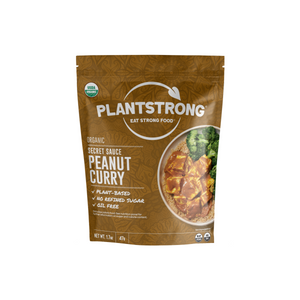
This is where Plant Strong Foods can help. Shelf-stable chilis, stews, broths, whole grain foods, and simple meal starters make it easier to eat this way on busy days, after workouts, during travel, or when the alternative is takeout.
Plant Strong Foods That Fit This Men’s Health Message
For a June email or blog promotion, the product angle should feel supportive, not sales-heavy. The core message is: better blood flow starts with better daily defaults.
Natural product tie-ins include:
Chilis and stews
Position as hearty, satisfying, bean-forward meals that make it easy to get more fiber and legumes.
Skillet burger mixes
A good Father’s Day and grilling-season tie-in. Frame as a whole-food, plant-strong option for men who want familiar flavors without the saturated fat load of a traditional burger.
Broths
Use as an oil-free cooking tool for sautéing vegetables, building soups, cooking grains, or adding flavor without relying on added fats.
Granola and oats
Connect to cholesterol and fiber education, especially for breakfast.
Build-a-Bundle or pantry bundles
Frame as “build your heart-health pantry” or “make better blood flow easier with better defaults.”
A Simple Men’s Health Day of Eating
Here is what a Plant Strong day could look like:
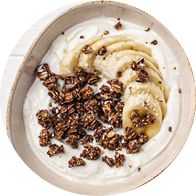
Breakfast: Oats or Plant Strong granola with fruit and Plant Strong milk
Lunch: Bean chili over brown rice with greens or steamed vegetables
Snack: Air-popped popcorn, fruit, or vegetables with hummus
Dinner: Lentil stew, roasted potatoes, greens, and a broth-based mushroom gravy
Movement: A 30-minute walk after dinner
Sleep goal: Consistent bedtime and 7 to 9 hours, when possible
The goal is not perfection. The goal is consistency.
What Men Should Track
Men do not need to guess about heart health. These are the numbers worth knowing and discussing with a healthcare provider:
● Blood pressure
● LDL cholesterol
● Total cholesterol
● Triglycerides
● A1C or fasting glucose
● Waist circumference
● Weight trends
● Sleep quality
● Exercise tolerance
● Erectile function changes
The CDC reports that only 28.3% of men age 18 and older met both aerobic and muscle-strengthening federal physical activity guidelines, and 14.2% of men rated their health as fair or poor in 2024. (CDC) That means there is a major opportunity for small, consistent changes to make a meaningful difference.
Bottom Line: Your Blood Flow Is Your Health Flow
For Men’s Health Month, let’s make the conversation bigger than cholesterol numbers or annual checkups.
Heart health is energy.
Heart health is stamina.
Heart health is blood flow.
Heart health is sexual health.
Heart health is the ability to keep showing up for the people and life you love.
And one of the most powerful places to start is your plate.
Real, whole plant foods help support the cardiovascular system men depend on every day. Beans, lentils, oats, whole grains, vegetables, fruits, potatoes, mushrooms, and greens are not side dishes. They are tools for better blood flow, better energy, and better long-term health.
This June, build the kind of pantry that makes the healthy choice the easy choice.
Because men’s health is not just about living longer. It is about living stronger.
What is the connection between heart health and erectile dysfunction?
Erectile dysfunction can be related to blood flow. The same vascular changes that contribute to heart disease can also reduce blood flow to the penis. Mayo Clinic notes that ED can be an early warning sign of heart disease, especially when it appears alongside risk factors such as high blood pressure, high cholesterol, diabetes, or smoking. (Mayo Clinic)
Can food improve blood flow?
A heart-healthy eating pattern can support blood pressure, cholesterol, blood sugar, weight, and vascular health. The American Heart Association recommends a dietary pattern rich in vegetables, fruits, whole grains, beans, peas, lentils, nuts, and other minimally processed foods, while limiting sodium, added sugars, saturated fat, and ultra-processed foods. (www.heart.org)
What foods are good for men’s heart health?
Whole plant foods such as beans, lentils, oats, barley, vegetables, fruits, whole grains, greens, potatoes, mushrooms, nuts, and seeds can support cardiovascular health. Plant-based dietary patterns have been associated with lower cardiovascular disease risk and improvements in risk factors such as LDL cholesterol. (PMC)
Why is June a good time to talk about men’s health?
June is Men’s Health Month, a time to encourage men to pay attention to prevention, early detection, and daily habits. Heart disease is the leading cause of death for men in the United States, making cardiovascular health one of the most important men’s health topics. (CDC)
How can Plant Strong Foods support men’s health?
Plant Strong Foods can help men build better daily defaults with whole-food, plant-based pantry staples such as chilis, stews, broths, oats, granolas, and meal starters. These foods make it easier to eat more beans, lentils, whole grains, vegetables, and fiber-rich meals without relying on ultra-processed convenience foods.